
Onboarding
A Warm Welcome: How Inclusive Onboarding Can Cut Turnover and Boost Belonging
An inclusive onboarding strategy isn’t difficult to execute, yet it does require intentional actions and mindful consideration.

Onboarding
An inclusive onboarding strategy isn’t difficult to execute, yet it does require intentional actions and mindful consideration.

DEI Best Practices
These 8 examples of diversity and inclusion goals for companies help demonstrate how to set meaningful, measurable DEI objectives at work.

Addressing Bias
When seen as a cure-all or an onboarding requirement, unconscious bias training is doomed to fail. To make a tangible, long-term impact, that training must be paired with a top-down, data-driven diversity strategy.

Recruitment
To overcome ageism and prove themselves in the job market, older workers have to approach their job search differently than younger folks.

Inclusive Leadership
Discover how to harness the power of collaboration and inclusive leadership in order to drive success in today’s volatile business environment.

Recruitment
Find three great DEI-related questions to ask job candidates, along with an explanation for why each question has value and what you should look for in a response.
Diversity Holidays
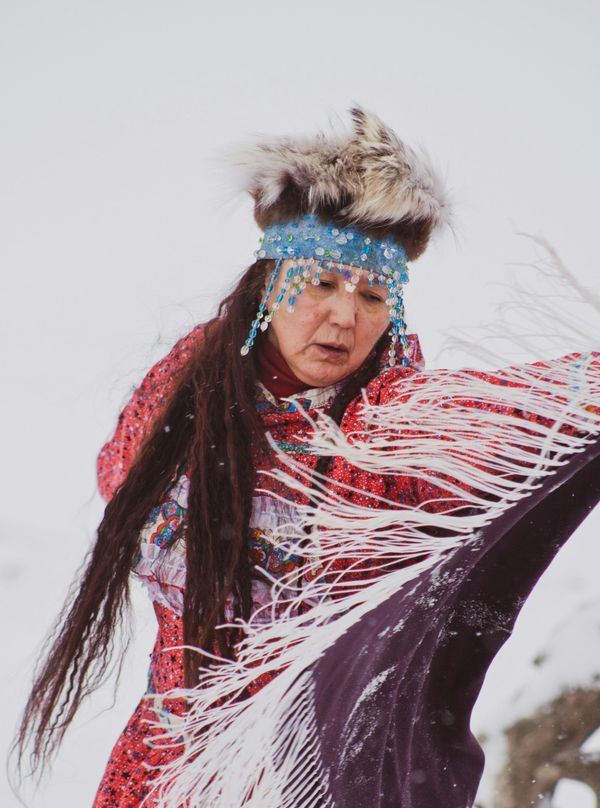
Discover the growing movement to replace Columbus Day with National Indigenous Peoples’ Day, which celebrates Indigenous contributions and resilience. Learn about the history, significance, and the call to action for a more inclusive commemoration.

Dimensions of Diversity
However, acquired traits like education, veteran status, socioeconomic class, places lived, and age are also dimensions of diversity. And eventually, all of us will assume one or more of these identities.

Inclusive Leadership
In this guide we break down what a toxic workplace culture looks like, how you can reverse it, and tools to help you get started.
Mental Health & Wellbeing
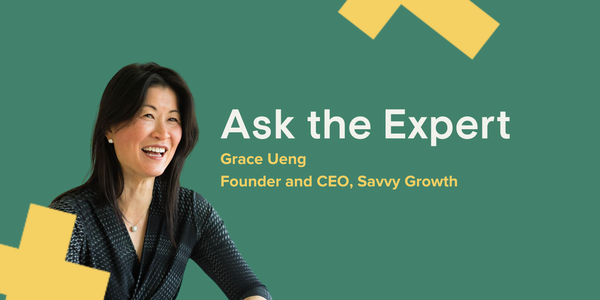
For this “Ask the Expert” series, we invite leaders to talk about their DEI journey, lessons they’ve learned, and what inspires them every day.

Addressing Bias
But what does a microaggression actually look like? We're sharing some common examples based on different forms of identity.

Addressing Bias
Employers serious about diversity, equity, and inclusion will promote a culture making it clear that nondiscriminatory hiring practices account for race, disability, ethnicity, gender identity, religion — and hairstyle.